
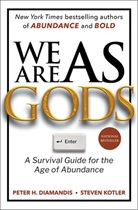
 In October 1984, Orion pictures released a film by a young director named James Cameron called ‘The Terminator‘. A young actor and former bodybuilder named Arnold Schwarzenegger starred as the T-800, a futuristic android killing machine programmed to find and eliminate an unsuspecting Sarah Conner (Linda Hamilton). The film stands as one of the best of its genre and its low-budget aspect has helped project it to cult status. The film is still a fun ride well after forty years and a personal favorite. In 1984, the concept of a self-learning machine was radical but fast forward to the year 2026, and that is now our reality. Every day we tap the screens on our smartphones as we go through our daily routines of checking emails, messages, the news, and other notifications. These handful devices have entrenched themselves into our lives permanently. But with great technology comes significant risk. This book came as a recommendation from a friend who shrewdly finds ways for me to expand my reading materials. The cover is telling and the authors have created this “survival guide” for times no one has lived through before.
Before jumping into the topics of machines and artificial learning, the authors provide a discussion about information and how the brain processes what we see and hear. This fundamental understanding of the brain’s capacity for information raises the caution flag going forward. And as explained in the book the overabundance of information has its drawbacks, and we are introduced to the idea of ruthless discernment. Some of us may already use the technique as we assert control over our digital use. The introduction of computers into the story is gradual but written in a way that is easy to follow but the reader is not overwhelmed with extensive minute details. Just enough information is provided to set the stage for the advancement of computers which would transform the way we oversee information.
The advancements by scientists and engineers are mind-bending and are testaments to the brilliance of the human mind. However, there are dark moments in the book as well. The concept of epigenetic programming is intoxicating, but it is offset by the unexpected results from the Universe 25 Project by John B. Calhoun. I was speechless as I read this section of the book, and the alarm bells went off in my head. What Calhoun observed is absolutely frightening and should be a sobering warning to all of us about what is possible when we do have everything we need. However, with preparation and guardrails in place, humans do not have to experience the same fate. And there are criticisms of Calhoun’s work. In his defense, he did not say humans were doomed but the behavior by the mice was impossible to ignore. There is also the discussion of the disturbing contradiction between the advancement of technology and the worsening quality of life. The dual realities are things to consider and a signal that there are still pressing issues which technology has not solved and work remains to be done. The authors give us the blueprint we need as the book progresses.
I eagerly awaited the section on artificial intelligence, and I was not disappointed. Their discussion is thorough and I share both their concerns and optimism. The term cognitive offloading should be a wakeup call to all of us. There is enormous potential with artificial intelligence, but also great costs. The power behind the technology is immense, and I see it used daily, but the true impact remains to be seen. The groundbreaking technologies described by the authors which are both in use and in development are amazing. Will they help propel mankind forward exponentially or become the beginning of our extinction? I believe strict monitoring will help us stay on course but there is still much to learn about platforms which will change our lives in unforeseen ways. And as we move forward, sometimes we do need to take a step back and unplug. After all, we still are human. Highly recommended.
ASIN : B0FCGBCKBL
Publisher : Simon & Schuster, April 14, 2026

